Call Us Today

-
-
Mail Us
[email protected]
-
1st Panjrapole Lane,
C P Tank, Mumbai - 400004.

Nickel Strips: Complete Guide for Industrial & Battery Applications
Nickel strips are important in many industries that require strength, corrosion resistance, and consistent electrical conductivity. They may look small, but the grade, purity, and finish you choose play a crucial role in performance.
What Are Nickel Strips?
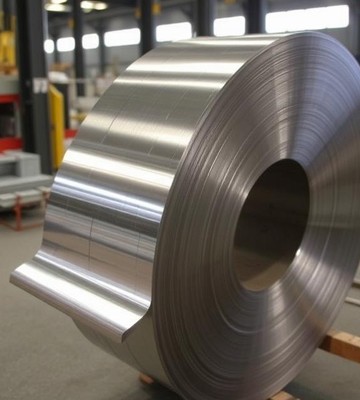
Nickel strips are thin flat pieces of nickel or nickel alloy used for welding, conductivity, and corrosion resistance. They are available in pure nickel and alloy forms depending on application.
Widely used in battery packs, electronics, marine environments, and chemical equipment.
Types of Nickel Strips
1. Nickel Foils (Ni 200 & Ni 201)
High purity, excellent weldability, and strong conductivity. Ni 201 has lower carbon content, making it ideal for corrosion-sensitive environments.
Ideal for:- Battery cells
- Spot welding
- Electrical connections
- Chemical processing units
2. Nickel Alloy Strips
Includes Inconel, Monel, and Nickel Chromium alloys used in high temperature and corrosive conditions.
Ideal for:- Furnace elements
- Aerospace components
- Marine hardware
- Heat treatment equipment
Key Properties to Consider
Purity
Pure nickel ensures better performance, prevents overheating, and improves reliability.
Conductivity
Higher conductivity improves electrical performance in battery and electronics use.
Corrosion Resistance
Ideal for marine and chemical environments where durability matters.
Thickness & Width
Common battery thickness: 0.1mm to 0.3mm, thicker for industrial use.
Weldability
Pure nickel offers excellent spot welding and strong joints.
Common Applications
Battery Pack Manufacturing
Used in EVs, power tools, solar storage, and e-cycles to connect battery cells.
Electronics & Sensors
Provides stable electrical paths in precision instruments and devices.
Chemical & Marine Equipment
Handles corrosion from acids and seawater in industrial environments.
High Temperature Applications
Used in furnaces and heating elements due to heat resistance.
Why Quality Matters
- Weak weld joints
- High resistance
- Faster corrosion
- Battery failure risks
Conclusion
Nickel strips may look like a small component, but they play a key role in safety, performance, and reliability. Choosing the right grade and supplier can save time and cost.